
6 Food Expert on What to Give for the Holidays
In 1981, when Rogério Fasano was 19 years old, he opened a restaurant in his native São Paulo, Brazil, following in the footsteps of his great-grandfather, Vittorio Fasano, an Italian immigrant who established a restaurant there in 1902.
On a recent video call from his office in the Brazilian metropolis, Mr. Fasano — founder of the Fasano Group, the hospitality company that now owns and operates 11 hotels and 40 restaurants across Brazil, Uruguay and the United States — reflected on what he learned about the restaurant business during that first, formative year.
"It was a disaster," Mr. Fasano, now known by his nickname, Gero, said. "Nouvelle cuisine française was very fashionable at the time, and everyone tried to convince me to follow the trend. So I stupidly agreed, and we opened a restaurant called Jardin Gastronomique Fasano — a very pretentious name. It lasted only eight months."
"But I still wanted to stay in the restaurant business," he continued. "I told my father I was going to open a very small place serving just one thing: my grandmother's kitchen. And it was a huge success. From then until today, we've remained deeply Italian, with a focus on northern Italian cuisine."
That may explain why Mr. Fasano, when asked to share his favorite gift recommendations for home cooks and food lovers, leaned heavily on exports from Italy's northern regions.
But he was not the only one among the six restaurateurs and chefs queried in video interviews whose gift ideas were deeply personal, ranging from spices that recalled the flavors of their childhoods to culinary adventures that captured the soul of places they love.
"My favorite present I've ever received is a bowl of foraged stones from a beach in Tasmania," Palisa Anderson, co-director of Boon Luck Farm, said from her kitchen in Byron Bay, Australia, holding up a bowl of polished stones, each as large as Idaho potatoes. "They're surprisingly practical, and the gift showed real thoughtfulness. I use them as weights when pickling. Or, when I cook, I use them to retain heat and reduce cooking time. It's ancient technology, but it works."
The following remarks have been edited for clarity and condensed.
Jean-Rony Leriche
Owner and executive chef, Leriche, Paris
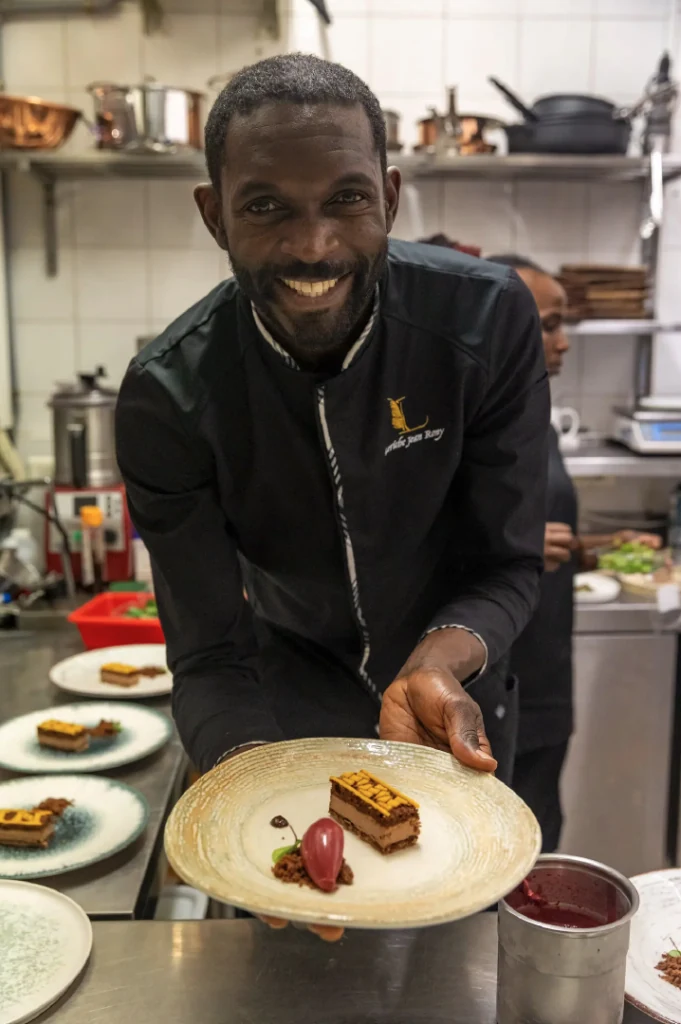
For home chefs, I would recommend a type of curry powder that's from Guadeloupe called colombo. It's very specifically of Guadeloupe and the French Caribbean. You can put it on chicken, beef, legumes — you can put it on a lot of things. It's a thing you use in everything and for everything.
I use colombo with my signature dish, lambi, or conch. You have one place in the world where you can find the conch and it's the Caribbean.
When I think about colombo, I think about the beach because in Guadeloupe, when it's Easter, the whole family goes to the beach to pass the day. And we cook colombo of crabs or colombo of chicken. And when I think colombo, I think of the beach, I think of my family, I think, "It's a good day."
Palisa Anderson
Co-director, Boon Luck Farm, Byron Bay, Australia, and Chat Thai, Sydney, Australia
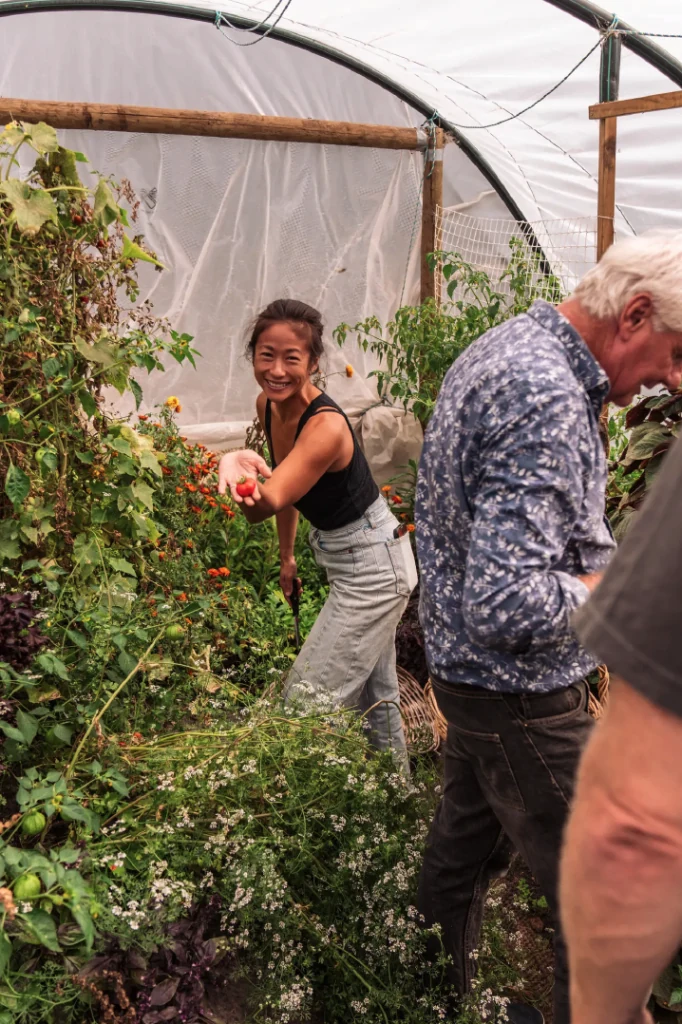
Ceramics are always a hit. Who doesn't love a handmade practical piece of art? My favorite Japanese ceramist is called Koichi Mizuno. His work is heartbreakingly ethereal and so utterly beautiful to hold and eat and drink from.
Then I have to represent my Thai background. I'd recommend a granite mortar and pestle from Ang Sila, an area just outside of Bangkok where they make them. I have two, and I use them constantly, to make curry paste or to make a starter paste to do my stir-fries or my braises. It's a very handy piece of kit.
And my ultimate foodie present is — have you heard of Roads & Kingdoms? It was founded by journalists who ended up creating content for Anthony Bourdain's trips. Full disclosure, I actually am one of their guides — I lead the Tasmania trip. We go on a private island called Satellite Island, which is an island off an island off an island. It's surrounded by abalone and crayfish and whelps. And we can dive for them. We cook what we catch. Or you can just relax and look at the stars. Luxury, for me, is safety and isolation. And Tasmania abounds in all these things.
Gero Fasano
Founder, Fasano Group, São Paulo, Brazil
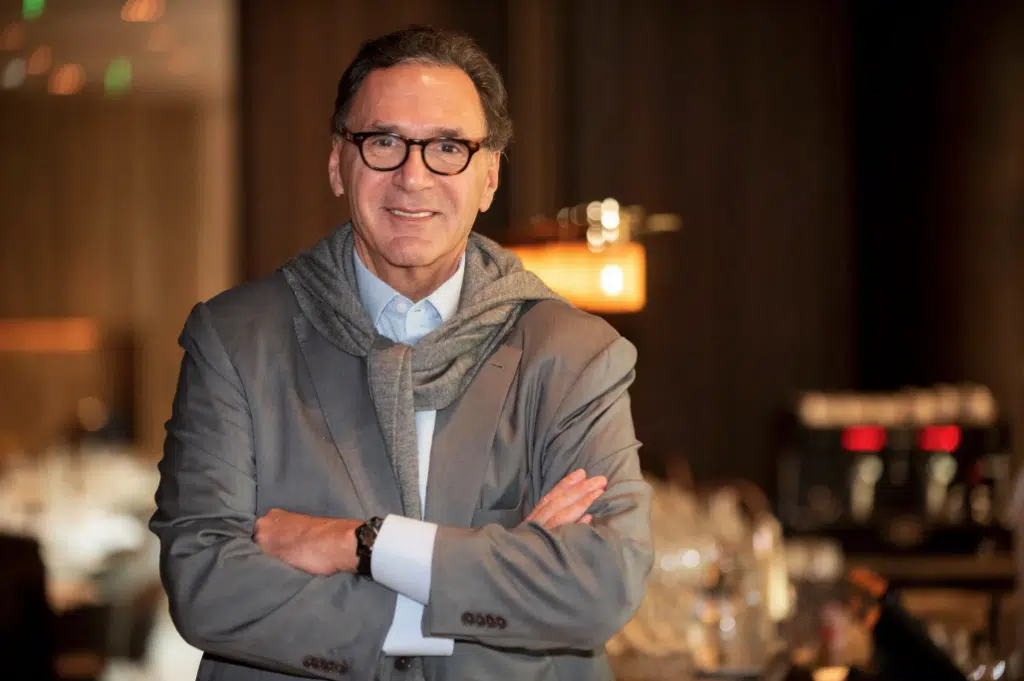
Italy is this country that 160 years ago was many different countries. That makes the diversity of the Italian kitchen amazing because every 100 kilometers, you have different dishes. In the south, they use more garlic. In Milano, they don't use garlic at all. That's why we don't use garlic — to us, it's almost forbidden.
One gift suggestion from Piemonte, in the north, is white truffle seasoning, which you find in October and November. I've been furnished with fresh white truffles by the familia Urbani, dealers of white truffles, for the last 35 years. To me, it's like caviar. But be sure to get the fresh one. Please don't ever buy anything that says it's "with truffle." That is a component that goes in gasoline. It's totally fake. It's nothing to do with fresh truffle.
Laëtitia Rouabah
Executive chef, La Fontaine, Las Vegas
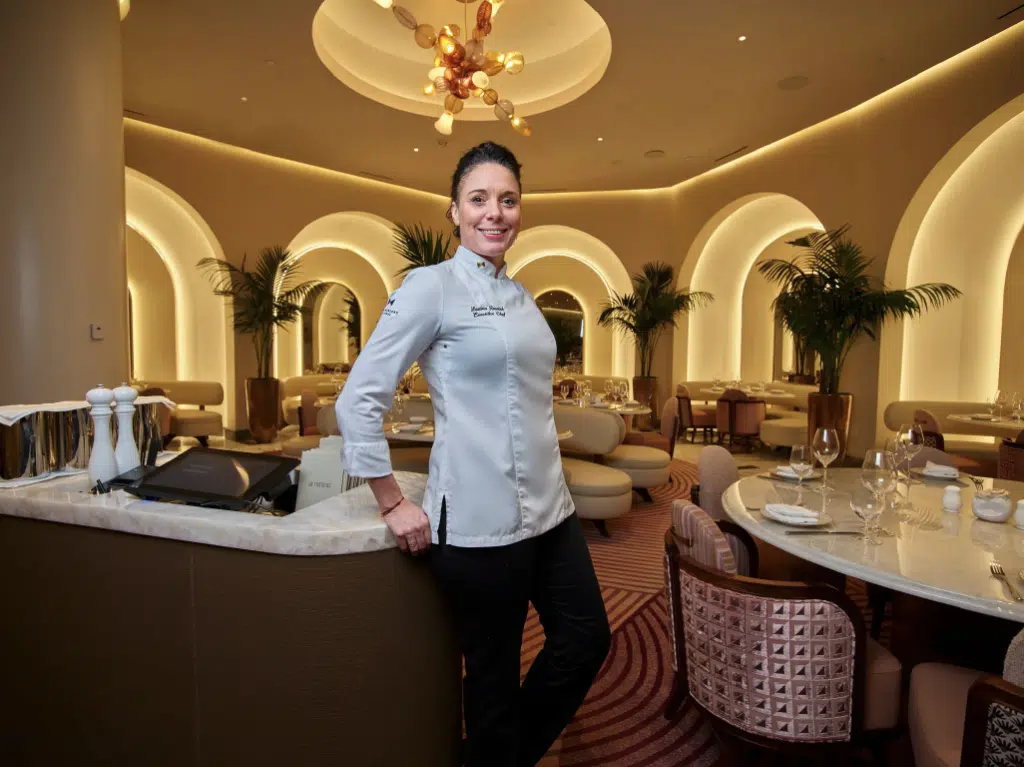
If I want to please one of my friends in love with food, the best thing to get them is a beautiful knife. In New York, I love a Japanese shop in TriBeCa called Korin. They have the best quality knives. If you have a good knife, you keep it forever.
I was also thinking about food and wines together. Red wine is always a good gift idea. My favorite is called Gevrey-Chambertin. It's a pinot noir from Burgundy. I'm more Burgundy than Bordeaux because the wines are very rich, powerful and they match perfectly with a good steak or one dish I have in the restaurant, beef bourguignon. It is a favorite of my guests, and it's my favorite to cook as well.
Finally, I was thinking about an experience. I remember when I worked in New York, when it was Christmas or New Year's, my friend was coming from France. You know the restaurant Le Bernardin? Across the street, the sommelier from Le Bernardin opened his own wine bar, Aldo Sohm. An evening here would be a great gift for somebody. In winter, they serve wine with oranges and cinnamon and it's very hot. It's a very good moment of sharing with someone a good night and good vibes — only good vibes.
Miguel Guedes de Sousa
Founder and chief executive of JNcQUOI, Lisbon

I always give glasses for wine, because having a good glass for wine makes a huge difference. And Zalto is a glass I always like to give. When I go to someone's house and they have terrible glasses, I don't say anything. The next day, I send it to their houses with a heart. It's such a finely crafted glass, so thin and so elegant. And the only thing that's important is what is inside of that glass. But I guarantee you the appreciation of that wine is totally different.
If you want to go a bit more crazy, I would suggest a Pacojet. It's a supersonic kind of blender. You can make soups, you can make ice creams with such a creamy texture. And then you have these containers that you can put in the freezer.
Eating an ice cream made in a Pacojet — it's astonishing. It's 10 times better than Häagen-Dazs. It's expensive — about $8,000 — but if I give that to someone, I think they'll want to marry me.
Obehi Ekhomu
Founder and executive chef of Ona and Ona Cloud Rooftop, Lagos, Nigeria
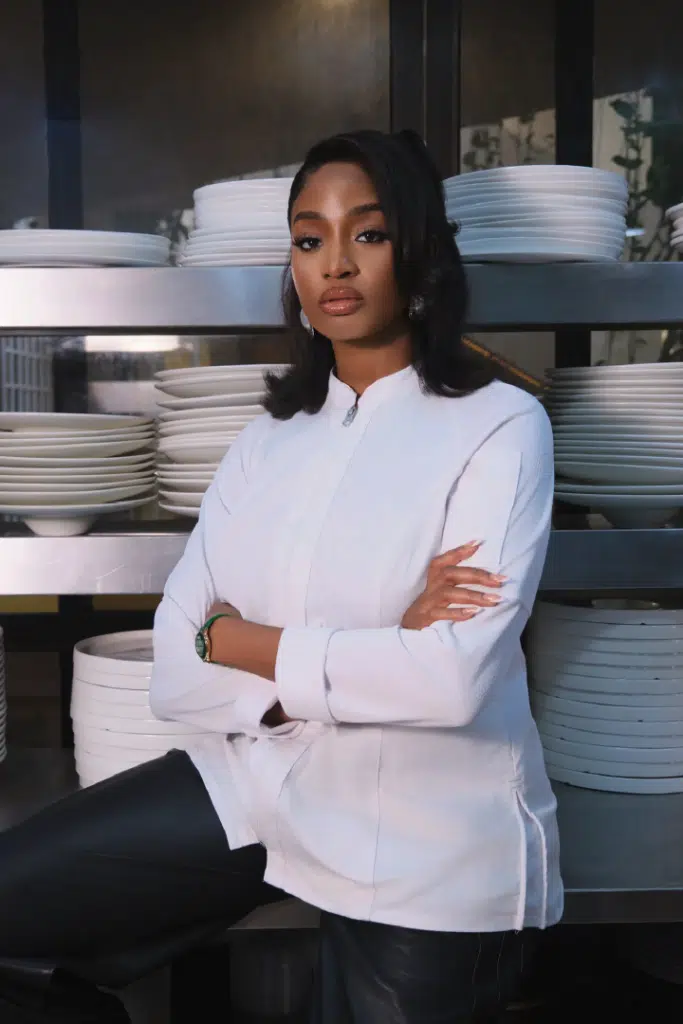
The Gather House is a beautiful space that opened about a year and a half ago in Lagos. It's owned by two brilliant young ladies. They promote a lot of women-owned and sustainable brands. They have gifting packages where they have tapered, spicy scented candles. They have baobab powder, which is also very yummy. I love baobab on all my desserts. It's so versatile because it has a bit of lemon.
And then we have some Ghanaian chocolatiers. There's a woman, Chef Selassie Atadika, and her chocolates are called Midunu Chocolates. They have different African spices in them. They help tell the story of West African chocolates and cocoa. Definitely very intentional as a gift.
And then Lola Pedro of Pedro's. She's a genius Nigerian woman who has an ogogoro distillery on the mainland, which is a few hours from where I am right now. Ogogoro is one of our main spirits here in West Africa. It's from our palm trees. Her packaging is so beautiful. And she has a whole story on the bottle about how it's an African spirit but it's not gin. It's very limited. Not everyone can have a bottle, but if you do get your hands on it, hold on to it.